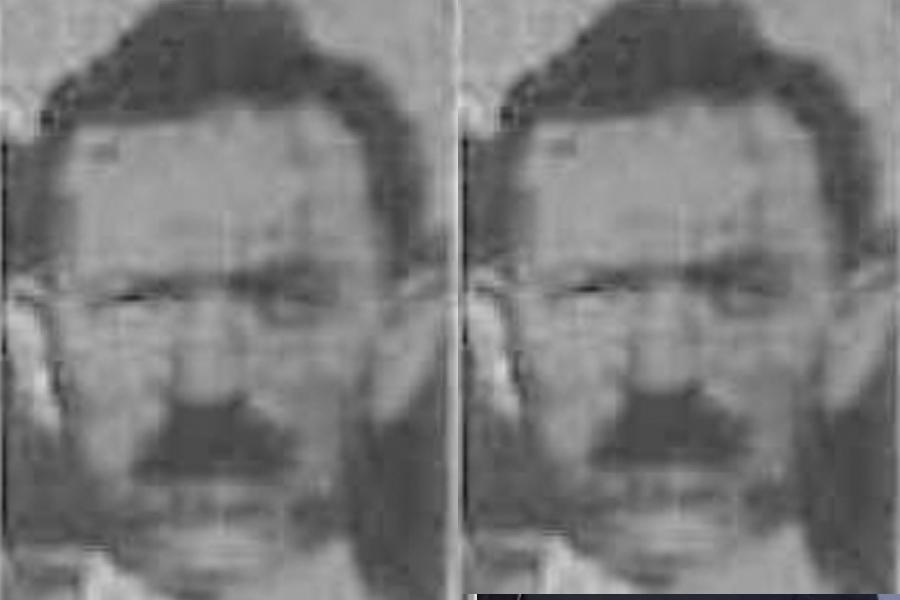
A life beginning in Odessa
I think of Zigman Zimmerman as a man whose life was built like a bridge. One end reached back to Odessa, a crowded port city shaped by hard weather and harder history. The other end stretched forward into Minnesota, into Duluth and Hibbing, and then into the long shadow cast by the family name his descendants would carry. Public records do not agree on every detail, but they consistently place his birth in Odessa and his life in the orbit of Jewish migration, labor, and survival. His birth year appears in different places as 1873, 1875, or 1876. That uncertainty is small compared with the larger truth. He came from a world where movement was often an act of rescue.
Zigman worked with his hands and moved through the ordinary jobs that keep a family standing. In Odessa, he is remembered as a shoemaker. Later, after he reached the United States, he appears in records as a peddler, a salesman, a solicitor, and a shop owner. These are not glamorous titles. They are the sort of occupations that leave dust on the cuffs and coin in the pocket. They are also the kind of work that can build a future one sale, one mile, one long day at a time.
The journey to America
The family story is set in 1905, when anti-Jewish riots drove many Russian families out. Life altered for Zigman in that climate. Around 1907, he arrived in Duluth, a lake city that welcomed newcomers with frigid air, hard work, and a fresh start. I imagine stepping from one beach to another without knowing if the ice will hold.
America wasn’t easy for him. He sold dry goods after being a hawker and a Prudential Life Insurance salesperson. His sales career continued in 1920. He opened a shoe store that failed. He worked for someone else by 1930. That detail counts. This man continued moving, changing, and attempting. His career wasn’t advancing. He continued traversing the switchback road.
A naturalized citizen since 1916. There was more to that event than legal. It claimed his adopted country. I regard that date as an endurance passport stamp. The family didn’t just survive migration anymore. It was rooting.
Anna Zimmerman and the household he built with her
Zigman’s spouse was Anna Zimmerman, also identified in some records as Chana Greenstein Zimmerman. Her name appears in several forms, which is common in immigrant family history, where transliteration and memory often compete. She is described as a seamstress, and family lore gives her a vivid, difficult, unforgettable presence. She was part of the household that carried the Zimmerman line forward in America.
Together, Zigman and Anna had a large family. Their children formed the next branch of the family tree, and each name adds texture to the story.
Maurice Zimmerman, born around 1901 or 1902, became one of the family’s key figures in business life. He died in 1981. Marian, often called Minnie, was born around 1903 and later carried the surname Kenner. She died in 1996. Paul Morris Zimmerman, born around 1905, died in 1981. Jack, Jake, or Jacob Zimmerman, born around 1909 or 1910, lived until 2004 according to some family records. Abraham H. Zimmerman, usually called Abe, was born in 1911 and died in 1968. Max Zimmerman, born around 1914, died in 1996.
The names matter because they show that Zigman was not merely an ancestor in a chart. He was the center of a household, the headwaters of a family stream. His children became the generation that made the Zimmerman name local, practical, and recognizable in Minnesota.
Maurice, Paul, Abe, and the family business world
I find the business side of the Zimmerman family especially revealing. Maurice and Paul bought Micka Electric in 1941, and the business later became part of the family’s broader identity in Hibbing. Abe eventually joined that world as well, after working at Standard Oil. The family was not famous for boardrooms or grand estates. It was famous for service, trade, and local presence. That kind of success can be easy to overlook, but it often lasts longer than louder fortunes.
Zigman himself does not appear as a wealthy man in the historical record. I found no reliable evidence of large holdings, investment portfolios, or a formal public finance record. What I do see is a family shaped by work. Zigman’s life seems to have been defined by the most durable currency there is: persistence. He tried business. He tried sales. He tried to build. Even when a store failed, he did not disappear. He returned to the labor that kept the household moving.
That rhythm became part of the family’s inheritance.
Abe Zimmerman and Bob Dylan
The most widely known descendant is Abraham H. Zimmerman, Bob Dylan’s father. Abe’s life connects the old world of Zigman and Anna to the modern American story that unfolded in Hibbing and beyond. Abe was born in 1911 and died in 1968. He became part of the family’s business life and later watched his son Robert Allen Zimmerman become Bob Dylan.
Bob Dylan and his brother David Zimmerman are Zigman’s grandsons through Abe. That detail gives the family line its strongest cultural echo. From a shoemaker in Odessa to a Nobel era singer in America, the family arc moves like a river that keeps finding new channels. The current changes, but the source remains visible.
The Dylan connection has often pulled attention toward Bob, yet Zigman’s role remains foundational. He is the ancestor who crossed, settled, worked, failed, tried again, and held the family together while the next generation grew up in a different country. That is not a minor role. It is the hidden architecture under the house.
Max, Jack, Marian, Maurice, and the wider family circle
Since a family has more than one notable branch, everyone deserves recognition. Maurice and Paul shaped local business. Marian or Minnie carried the family name individually. Jack or Jacob is another son who carried the Zimmerman name into the following century. Max, recalled via family and community stories, weaves another link.
Consider the Zimmermans a multi-voiced choir. While not the loudest voice in the room, Zigman’s sound helps the others harmonize. Texture and resilience from Anna. Children marry, start enterprises, and have children. Dylan’s tale is connected via Abe. Bob and David publicize the surname.
Why Zigman Zimmerman still matters
The appeal of Zigman Zimmerman is not that he was famous. It is that he was formative. He represents the kind of person history often overlooks even though history would not exist in its present shape without him. He left Odessa under pressure. He built a life in Duluth. He raised a family. He worked in whatever respectable, practical way the moment required. He stood at the beginning of a line that would matter to music, memory, and American cultural history.
His life shows how family history is often built from ordinary labor and repeated courage. A shoe store that fails. A move across an ocean. A sale made. A citizen formed. A child raised. A business opened. A grandson born. These are not grand gestures on a monument. They are the quiet gears that turn the larger machine.
FAQ
Who was Zigman Zimmerman?
Zigman Zimmerman was an Odessa-born immigrant and the paternal grandfather of Bob Dylan. He appears in public records as a shoemaker, peddler, salesman, and small business owner who settled in Duluth, Minnesota, and helped establish the Zimmerman family in America.
Who was Zigman Zimmerman married to?
He was married to Anna Zimmerman, also recorded in some family material as Chana Greenstein Zimmerman. She was described as a seamstress and as a strong presence in the family household.
Who were Zigman Zimmerman’s children?
His children included Maurice, Marian or Minnie, Paul, Jack or Jacob, Abraham H. Zimmerman, and Max Zimmerman. These children formed the family branch that later became connected to the Zimmerman business life in Minnesota.
How is Bob Dylan related to Zigman Zimmerman?
Bob Dylan is Zigman Zimmerman’s grandson through Abe Zimmerman. David Zimmerman is also a grandson through the same line.
Did Zigman Zimmerman have a notable career?
He did, though not in a celebrity sense. He worked as a shoemaker, peddler, insurance solicitor, dry goods salesman, and shoe store owner. His career was built on practical work rather than public fame.
Why is Zigman Zimmerman important?
He matters because he is the family root behind a major American cultural figure and because his own life reflects the immigrant experience with honesty. He carried a family through migration, labor, business changes, and generations of change without losing the thread.
A Practical 2026 Guide To Maintaining Legacy Heavy Duty Diesel Engines
Where Do You Go When Home Is No Longer Simple
How Smart Landlords Are Maximising Rental Property Returns In 2026